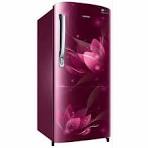
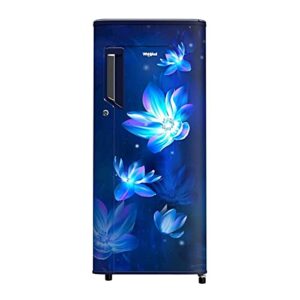
Inverter Fridge vs Non-Inverter Fridge
When choosing a refrigerator, understanding the differences between inverter and non-inverter fridges is essential for making an informed decision. Here’s a detailed comparison highlighting their basic differences, advantages, and disadvantages to help you determine which one is better suited for your needs.
Basic Differences
-
Compressor Operation:
- Inverter Fridge: Uses a variable-speed compressor that adjusts its speed based on the cooling demand. It operates continuously but at different speeds.
- Non-Inverter Fridge: Uses a fixed-speed compressor that turns on and off periodically. It operates at full speed when cooling is needed and shuts off when the desired temperature is reached.
-
Energy Efficiency:
- Inverter Fridge: More energy-efficient because the compressor runs at varying speeds, which reduces power consumption, especially during low cooling demands.
- Non-Inverter Fridge: Less energy-efficient as the compressor frequently turns on and off, consuming more power each time it starts.
-
Cooling Performance:
- Inverter Fridge: Provides consistent and precise cooling. The variable speed ensures even cooling throughout the fridge, maintaining a stable temperature.
- Non-Inverter Fridge: Cooling can be less consistent due to the on/off nature of the compressor, leading to temperature fluctuations.
-
Noise Levels:
- Inverter Fridge: Quieter operation as the compressor runs at lower speeds most of the time.
- Non-Inverter Fridge: Noisier due to the frequent starting and stopping of the compressor.
-
Lifespan and Maintenance:
- Inverter Fridge: Generally has a longer lifespan because the compressor is not subjected to the stress of frequent starts and stops. Maintenance needs are also lower.
- Non-Inverter Fridge: The compressor may wear out faster due to the constant on/off cycling, leading to higher maintenance needs.
-
Initial Cost:
- Inverter Fridge: Usually more expensive upfront due to the advanced technology used in the compressor.
- Non-Inverter Fridge: Typically cheaper upfront, making it more attractive for budget-conscious buyers.
Which One is Better to Buy?
Advantages of Inverter Fridges:
- Energy Efficiency: Significant savings on electricity bills over time.
- Consistent Cooling: Better food preservation due to stable temperature.
- Quieter Operation: Ideal for households where noise is a concern.
- Longer Lifespan: Reduced wear and tear on the compressor.
Advantages of Non-Inverter Fridges:
- Lower Initial Cost: More affordable to purchase.
- Simplicity: Less complex technology, which some users might find easier to manage.
Considerations for Buying
- Energy Costs: If you’re looking to save on long-term energy costs, an inverter fridge is the better choice despite its higher initial price.
- Usage Pattern: For families with frequent opening and closing of the fridge, an inverter model offers better temperature management.
- Noise Sensitivity: If you need a quieter appliance, an inverter fridge is more suitable.
- Budget: If you have budget constraints and can manage higher energy bills, a non-inverter fridge may be adequate.
Conclusion
While both inverter and non-inverter fridges have their merits, an inverter fridge generally offers better energy efficiency, quieter operation, consistent cooling, and a longer lifespan. Although the initial cost is higher, the savings on electricity and reduced maintenance needs can offset the initial investment over time. Inverter Technology in refrigeration is relatively newer technology, where compressor sounds much less than non-inverter refrigerators, has a electronic controlling PCB which is expensive. A non-inverter fridge might be a practical choice for those with a limited budget or lower usage demands.
When deciding, consider your specific needs, usage patterns, and budget to choose the fridge that best fits your lifestyle.